
Peb Zaj Dab Neeg
Txij li xyoo 2012 los, FastTrackerMN tau hloov zuj zus los ntawm ib qho project me me mus rau hauv ib qho chaw pabcuam thoob plaws lub xeev uas txuas cov neeg Minnesota mus rau kev noj qab haus huv ntawm lub hlwb thiab kev pabcuam kev siv tshuaj yeeb dej cawv.
Keeb Kwm ntawm FastTrackerMN
Xyoo 2012: Peb Lub Caij Pib
FastTrackerMN began with an idea from Linda Vukelich, then Executive Director of the Minnesota Psychiatric Society (MPS), who saw firsthand how difficult it was for individuals and families to find mental health providers accepting new patients.
The Minnesota Mental Health Community Foundation (MHCF) was established through MPS to support efforts to improve access to mental health care, including the development of FastTrackerMN. What started as a way to help people find available psychiatric care grew into a statewide resource connecting Minnesotans with mental health and substance use disorder services.
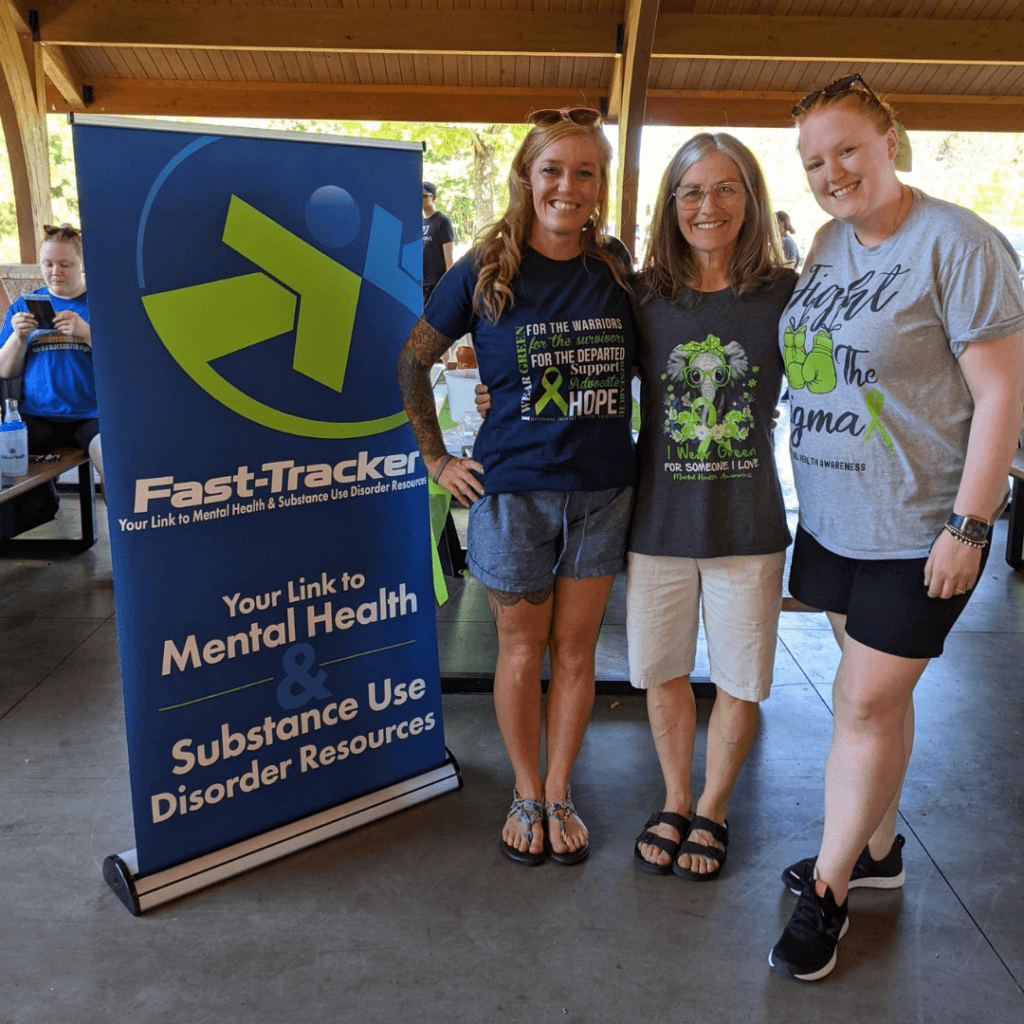
2017: Nthuav Peb Txoj Kev Tshawb Nrhiav
FastTrackerMN expanded to include substance use disorder treatment services, making it easier for Minnesotans to find available care for both mental health and substance use concerns.
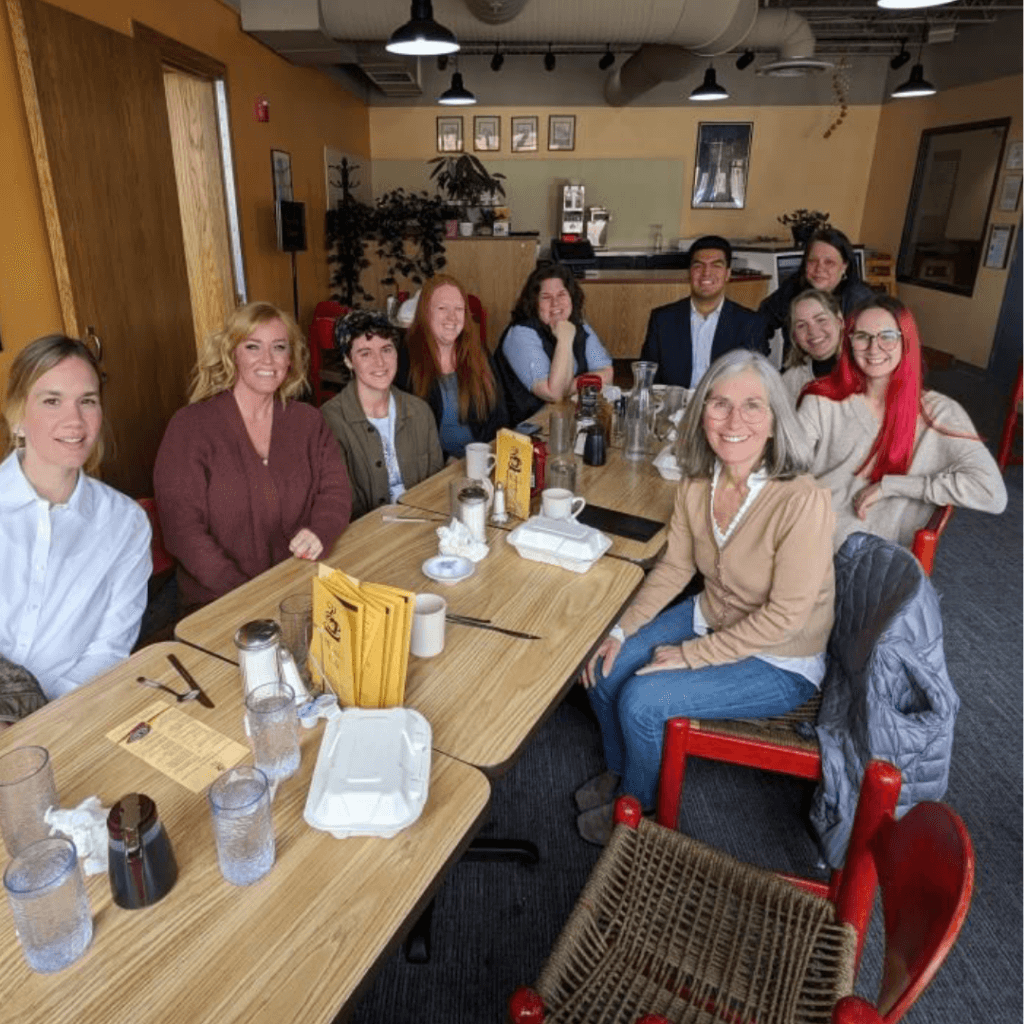
2023: Reaching More Minnesotans
FastTrackerMN expanded its website to include Spanish, Somali, and Hmong language options, making it easier for more Minnesotans to find mental health and substance use disorder services.
2024: Nthuav Peb Txoj Kev Ncav Mus Rau Lwm Tus
FastTrackerMN tshaj tawm qhov kev sib tw Fast Track to Help, muab cov cuab yeej yooj yim los nrhiav kev txhawb nqa, xyuas cov phooj ywg, thiab kawm txog kev noj qab haus huv ntawm lub hlwb, nrog rau kev tsom mus rau cov hluas.
2025: A New Chapter
FastTrackerMN entered a new chapter with a change in leadership and the establishment of FastTracker Foundation as an independent 501(c)(3) nonprofit organization. Building on more than a decade of work through the Minnesota Mental Health Community Foundation, the new organization is focused on strengthening FastTrackerMN, expanding partnerships, and reaching more people across Minnesota.
FastTrackerMN entered a new chapter with a change in leadership and the establishment of FastTracker Foundation as an independent 501(c)(3) nonprofit organization.
Today, FastTrackerMN connects Minnesotans to more than 500 provider organizations and 1,100 treatment locations across the state. Thousands of people use FastTrackerMN each month, including individuals and families looking for help, healthcare professionals, care coordinators, and community organizations working to connect people with services.
What sets FastTrackerMN apart is that we’re more than a directory of services. Traditional resource directories tell people where services exist, but often can’t tell them whether those providers are accepting new patients. FastTrackerMN goes a step further. Participating providers update their own availability information, giving people a more current picture of where care may actually be available. That means less time calling providers with no openings and more time connecting people to the help they need.
Looking Ahead
For years, state funding helped support FastTrackerMN’s growth and statewide reach. In 2026, the State of Minnesota chose not to continue funding the program. While this changed how we’re funded, it hasn’t changed our commitment to the people who rely on us.
Today, FastTrackerMN continues to operate with a lean team, a strong network of participating providers, and support from private foundations and partners. We’re building on more than a decade of experience, expanding partnerships with healthcare and community organizations, and seeking additional support to sustain and strengthen this free resource for Minnesotans.
Our Vision
When someone is ready to seek help, finding care shouldn’t be another obstacle to overcome. Whether it’s an individual taking that first difficult step, a family searching for a loved one, or a professional helping someone connect with treatment, every moment matters.
We envision a Minnesota where people can find the care they need, when they need it, without facing endless phone calls, outdated information, or closed doors. Because finding help shouldn’t be the hardest part of getting help.